

Premises Liability Lawsuits Explained
Premises liability lawsuits hold property owners accountable when unsafe conditions cause harm.
This article from RG Injury Law discusses the legal subtleties of premises liability law.
RG Injury Law offers free consultations – call today if you need a top Lancaster Personal Injury Attorney!
Key Takeaways
- Premises liability applies when unsafe conditions cause injuries on someone else’s property.
- Property owners, tenants, and businesses can be held liable for dangerous conditions.
- Types of cases include slip and falls, negligent security, and hazardous premises.
- The duty of care depends on the visitor’s status—invitees receive the most protection.
- Proving liability requires showing the owner knew (or should have known) about the danger and failed to fix it.
What Is a Premises Liability Lawsuit?
A premises liability lawsuit holds property owners or occupiers responsible when their negligence leads to injuries.
Unlike general negligence claims, premises liability focuses on unsafe property conditions rather than the direct actions of a person.
To win a case, the injured party must prove the owner failed to maintain a safe environment or warn about hazards.
Comparison of Premises Liability vs. General Negligence
| Feature | Premises Liability | General Negligence |
| Legal Basis | Injury due to unsafe property conditions | Injury due to direct actions of another |
| Who Is Responsible? | Property owner or manager | Individual or company |
| Examples | Slip and fall, unsafe structures, inadequate security | Car accidents, medical malpractice |
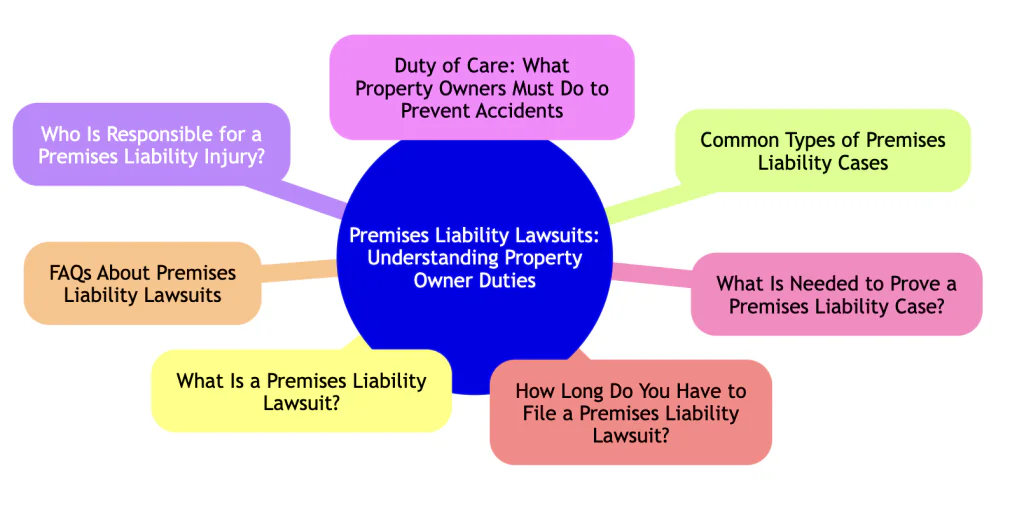
Common Types of Premises Liability Cases
Slip and Fall Accidents
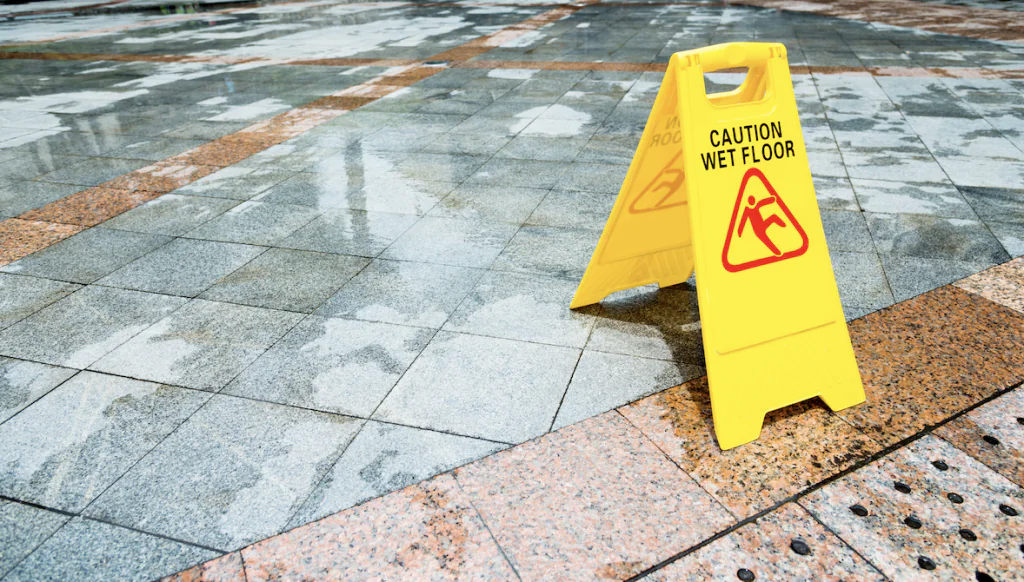
Slip and falls are among the most common premises liability claims. Wet floors, uneven sidewalks, loose carpeting, and poor lighting can lead to dangerous falls. Property owners must fix hazards promptly or warn visitors of potential risks.
Negligent Security Cases
When a crime occurs due to inadequate security – the property owner may be liable.
If a business, apartment complex, or hotel fails to provide proper lighting, security cameras, or trained personnel, victims of assaults or robberies may have a case for negligent security.
Dog Bites and Animal Attacks
Dog owners can be held liable when their pets attack someone.
Pennsylvania has strict liability laws for dog bites, meaning owners are responsible even if their dogs have never shown aggression.
Property managers may also be liable if they allow a dangerous dog on the premises.
Other Common Premises Liability Cases
- Swimming pool accidents
- Elevator and escalator malfunctions
- Exposure to hazardous substances
Who Is Responsible for a Premises Liability Injury?
Responsibility in premises liability cases depends on who owns, controls, or maintains the property. Liability may fall on multiple parties.
Property owners – Homeowners, landlords, and businesses that own the premises.
Tenants or occupiers – Businesses renting space may be responsible for maintaining safe conditions.
Government entities – Special legal rules apply if an injury occurs on public property.
Duty of Care: What Property Owners Must Do to Prevent Accidents
Property owners owe different levels of care depending on who enters their premises. The law categorizes visitors into three main groups: invitees, licensees, and trespassers.
Duty of Care Owed to Different Types of Visitors
| Visitor Type | Duty of Property Owner |
| Invitees (Customers) | Highest duty—regular inspections, hazard warnings, and safety measures. |
| Licensees | Must warn of known dangers but no duty to inspect. |
| Trespassers | Limited duty—no intentional harm but no obligation to maintain safety. |
Invitees, such as customers in a store, receive the highest protection because they are on the property for the owner’s benefit.
Licensees, like social guests, must be warned of known dangers.
Trespassers generally do not have legal protection, except in cases involving intentional harm or attractive nuisances, such as pools that may attract children. (1)
What Is Needed to Prove a Premises Liability Case?
To win a premises liability lawsuit, the injured party must prove negligence by the property owner or occupier.
The law requires showing that the owner knew—or should have known—about a hazardous condition and failed to correct it. The key legal elements of a premises liability claim include:
- Duty of care – The owner had a legal obligation to keep the property safe.
- Breach of duty – The owner failed to take reasonable steps to fix or warn about the hazard.
- Causation – The dangerous condition directly caused the injury.
- Damages – The injured person suffered losses, such as medical bills or lost wages.
Property owners often defend against these claims by arguing that:
- The hazard was open and obvious.
- The victim was trespassing.
- The plaintiff’s own negligence contributed.
- They had no reasonable way to know about the dangerous conditions.
How Long Do You Have to File a Premises Liability Lawsuit?
Pennsylvania law limits the time to file a premises liability lawsuit. Missing this deadline could mean losing the right to seek compensation.
- Two years for personal injury claims.
- Shorter deadlines for cases against government entities.
- Exceptions for minors and cases involving hidden injuries.
FAQs About Premises Liability Lawsuits
What is an example of a premises liability case?
Slip and fall injuries, inadequate security leading to assaults, and accidents caused by unsafe property conditions.
What is a premises liability cause of action?
A legal claim arguing that a property owner’s negligence led to an injury.
How long does a premises liability lawsuit take?
Varies by case; settlements can take months, while trials may take years.
What is negligence in relation to premises?
The failure of a property owner to maintain safe conditions, leading to harm.
Conclusion – PA’s Top Personal Injury Attorneys
Premises liability laws protect people injured by unsafe conditions on someone else’s property. Property owners are responsible for maintaining safe premises and warning visitors of hazards. Injury victims have the right to seek compensation when they fail to do so.
RG Injury Law has the experience to handle premises liability cases and fight for fair compensation.
Visit our homepage HERE.
Contact RG Injury Law today to discuss your case if you’ve been injured due to unsafe conditions.
Reference:
(1) Justia, Premises Liability Law, https://www.justia.com/injury/premises-liability/